
В современном мире инструменты играют ключевую роль в различных сферах, от профессионального строительства до домашнего ремонта. Однако без качественных насадок даже самый мощный инструмент может оказаться бесполезным. Насадки – это сердце любого инструмента, которое определяет его производительность, точность и долговечность. В этой статье мы глубоко погрузимся в мир идеальных насадок, исследуя их прочность, универсальность и то, как они могут революционизировать вашу работу. Мы рассмотрим материалы, технологии, бренды, и практические аспекты, чтобы помочь вам сделать осознанный выбор и максимизировать эффективность ваших инструментов.
Вступление: Почему насадки так важны?
Насадки для инструментов – это не просто аксессуары; они являются неотъемлемой частью рабочего процесса. Представьте себе дрель без сверла или шуруповерт без биты – такой инструмент теряет всю свою функциональность. Именно насадки передают усилие от инструмента к материалу, обеспечивая точность и контроль. Их качество напрямую влияет на результат работы: плохая насадка может привести к повреждению материала, увеличению времени выполнения задачи или даже поломке самого инструмента. Поэтому выбор идеальных насадок – это инвестиция в эффективность, безопасность и долговечность вашего оборудования.
В этой статье мы сосредоточимся на двух ключевых характеристиках: прочности и универсальности. Прочность гарантирует, что насадка выдержит высокие нагрузки и экстремальные условия, в то время как универсальность позволяет использовать одну насадку для множества задач, экономя время и ресурсы. Мы изучим, как эти качества достигаются через инновационные материалы, передовые технологии производства и умный дизайн. Кроме того, мы предоставим практические советы по выбору, использованию и обслуживанию насадок, чтобы вы могли извлечь максимальную пользу из ваших инструментов.
Глава 1: Основы насадок – типы и применение
Насадки для инструментов бывают различных типов, каждый из которых предназначен для специфических задач. Понимание этих типов – первый шаг к выбору идеального варианта. Давайте рассмотрим основные категории.
1.1 Сверла
Сверла – одни из самых распространенных насадок, используемых в дрелях и перфораторах. Они предназначены для создания отверстий в различных материалах, таких как дерево, металл, бетон или керамика. Ключевые типы сверл включают спиральные сверла для общего применения, сверла по бетону с твердосплавными наконечниками для ударного бурения, и перьевые сверла для больших отверстий в дереве. Прочность сверла зависит от материала: высокоуглеродистая сталь подходит для мягких материалов, в то время как твердые сплавы или алмазные покрытия необходимы для бетона и камня. Универсальность достигается через многофункциональные сверла, которые могут работать с несколькими материалами, но важно выбирать специализированные варианты для оптимальной производительности.
1.2 Биты для шуруповертов
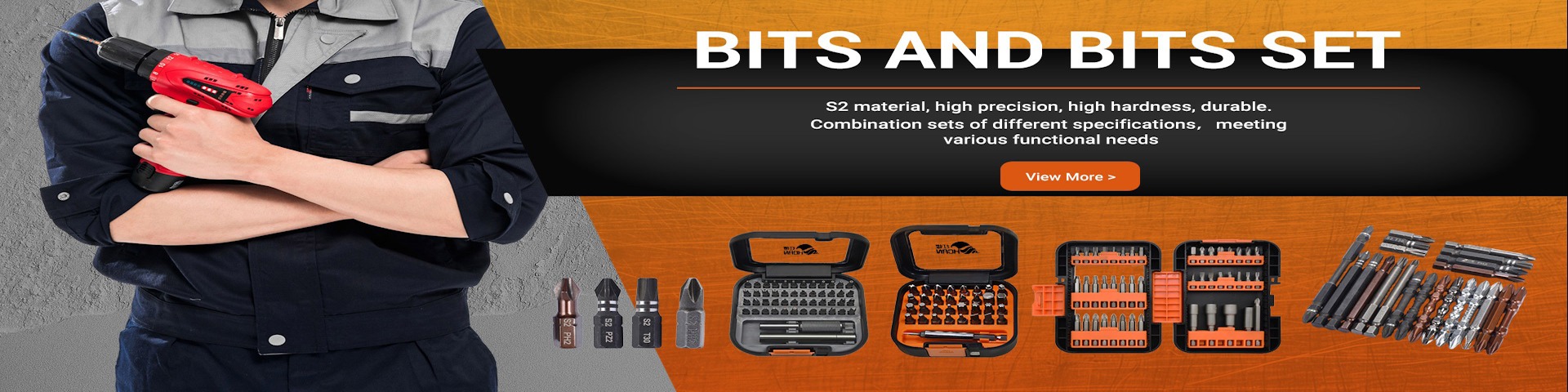
Биты используются в шуруповертах и отвертках для закручивания и откручивания винтов. Они бывают различных форм, таких как крестообразные (PH, PZ), плоские (SL), шестигранные (Hex), и звёздообразные (Torx). Прочность бит критична, так как они подвергаются высоким крутящим моментам; качественные биты изготавливаются из закаленной стали с покрытиями, увеличивающими износостойкость. Универсальность здесь проявляется в наборах бит, которые включают multiple типов, позволяя работать с различными винтами без необходимости频繁ной смены насадок. Например, магнитные биты или биты с быстрой сменой significantly улучшают удобство использования.
1.3 Фрезы и диски
Фрезы используются в фрезерных станках и дремелях для резки, шлифовки и гравировки материалов like wood, metal, or plastic. Диски, такие as отрезные или шлифовальные, common в угловых шлифовальных машинах (болгарках). Их прочность определяется материалом изготовления: алмазные диски для резки бетона, абразивные диски для металла, и карбидные фрезы для точной работы. Универсальность фрез и дисков often enhanced through multi-purpose designs, e.g., диски that can cut both metal and stone, but specialization usually leads to better results. Safety is also a key consideration; always use appropriate guards and PPE.
1.4 Другие типы насадок
К другим типам относятся насадки для шлифовальных машин (e.g., шлифовальные листы или круги), насадки для полировки, и специализированные options like кольцевые пилы или扩展 bits. Каждый тип имеет свое применение, и их прочность/универсальность vary based on design. For instance, гибкие шлифовальные насадки offer универсальность for contoured surfaces, while твердые насадки provide прочность for heavy-duty tasks.
In summary, knowing the types of насадок helps in selecting the right one for your needs. Always match the насадка to the tool and material to avoid damage and ensure efficiency.
Глава 2: Прочность – что делает насадку durable?
Прочность насадок – это их ability to withstand mechanical stress, wear, and environmental factors without failing. Это качество crucial for safety, longevity, and cost-effectiveness. Let's delve into the factors that contribute to прочность.
2.1 Материалы изготовления
Материал – основа прочности насадки. Common materials include:
- Высокоуглеродистая сталь (High-Carbon Steel): Offers good hardness and wear resistance, suitable for general-purpose drills and bits. However, it can be brittle under high stress.
- Быстрорежущая сталь (HSS - High-Speed Steel): Provides excellent toughness and heat resistance, ideal for drilling metals at high speeds. HSS насадки are more durable than carbon steel ones.
- Твердые сплавы (Carbide): Extremely hard and wear-resistant, perfect for drilling concrete, tile, or other abrasive materials. Carbide tips are often brazed onto steel bodies for cost efficiency.
- Алмазные покрытия: Used for the hardest materials like glass or granite, offering unmatched durability but at a higher cost.
- Other materials like titanium nitride (TiN) coatings increase surface hardness and reduce friction, extending lifespan.
Choosing the right material depends on the application. For example, use HSS for metalworking and carbide for masonry to ensure прочность.
2.2 Процесс производства
How a насадка is made affects its прочность. Key processes include:
- Ковка и штамповка: These methods create strong, dense structures with minimal weaknesses. Forged насадки are generally more durable than cast ones.
- Термическая обработка: Processes like quenching and tempering adjust the hardness and toughness of the steel. Proper heat treatment prevents brittleness and ensures the насадка can handle impacts.
- Точная обработка: CNC machining ensures consistent quality and sharp edges, which reduce the effort required and minimize wear.
- Контроль качества: Reputable brands implement strict QC measures, such as hardness testing and visual inspections, to eliminate defects.
Invest in насадки from manufacturers with a reputation for quality production to guarantee прочность.
2.3 Дизайн и геометрия
The design of a насадка influences its strength. For example:
- Угол заточки: A properly sharpened drill bit has a specific point angle (e.g., 118 degrees for general use, 135 for harder materials) that affects cutting efficiency and durability.
- Фланцы и хвостовики: Features like hex shanks on bits provide better grip and reduce slippage, enhancing durability.
- Ребра жесткости: Some насадки have reinforced areas to prevent bending or breaking under load.
A well-designed насадка distributes stress evenly, reducing the risk of failure.
2.4 Тестирование и стандарты
Прочность is often verified through testing. Standards like ISO or DIN specify requirements for materials and performance. For instance, drop tests or torque tests simulate real-world conditions. Always look for certifications to ensure you're getting a прочный product.
In practice, to maintain прочность, avoid overloading the насадка, use it at the recommended speed, and store it properly to prevent corrosion.
Глава 3: Универсальность – один размер для многих задач
Универсальность насадок refers to their ability to perform well in multiple applications, reducing the need for numerous specialized tools. This saves time, space, and money. Let's explore how универсальность is achieved.
3.1 Многофункциональные дизайны
Many насадки are designed to be versatile. Examples include:
- Универсальные сверла: Such as those with a point that can drill into wood, metal, and plastic without changing bits. They often have a special geometry that adapts to different materials.
- Наборы бит: Kits that include various bit types (e.g., Phillips, flathead, Torx) in one holder, allowing quick changes for different screw types.
- Сменные головки: Some tools have interchangeable heads for drilling, driving, or grinding, making one tool suitable for multiple tasks.
These designs enhance универсальность by minimizing tool changes and increasing efficiency.
3.2 Совместимость
Универсальность also depends on compatibility with different tools. Standardized systems like the 1/4-inch hex drive for bits ensure that насадки can be used with various brands of drivers. Additionally, adapters allow using насадки meant for one tool with another, e.g., using a drill bit in a hand drill or a power drill.
When selecting насадки, check for compatibility with your tools to maximize универсальность.
3.3 Инновационные технологии
Advancements like quick-change chucks or magnetic holders make swapping насадки faster and easier, boosting универсальность. Also, smart насадки with sensors can adjust to material hardness, but these are less common and more expensive.
3.4 Практические примеры
For a DIY enthusiast, a универсальный набор насадок can handle everything from assembling furniture to minor repairs. In professional settings, универсальные насадки reduce downtime by allowing workers to tackle diverse tasks without switching tools.
However, note that универсальность can sometimes compromise specialization. For critical tasks, specialized насадки may perform better.
Глава 4: Как выбрать идеальные насадки
Choosing the right насадки involves considering your needs, budget, and the specific applications. Here's a guide to help you select идеальные насадки with emphasis on прочность and универсальность.
4.1 Оцените ваши задачи
First, identify what you'll be doing. Are you drilling into concrete, working with wood, or driving screws? List the materials and tasks to determine the required type of насадка. For example, if you need to drill multiple materials, opt for a универсальное сверло, but if you're only working with metal, a specialized HSS drill might be better.
4.2 Проверьте спецификации
Look at the specifications: material composition, size, and intended use. For прочность, choose насадки made from high-quality materials like HSS or carbide. For универсальность, select sets that cover a range of sizes and types. Read reviews and ratings from other users to gauge real-world performance.
4.3 Бренды и качество
Stick to reputable brands known for durability, such as Bosch, DeWalt, or Makita. They often offer warranties and have better QC. Avoid cheap, no-name brands that may fail quickly. Remember, investing in quality насадки can save money in the long run by reducing replacements.
4.4 Стоимость vs. ценность
While budget is important, don't compromise on quality. Cheap насадки might seem attractive, but they can wear out fast or damage your tools. Calculate the cost per use – a durable насадка that lasts longer offers better value. For occasional use, a mid-range option might suffice, but for frequent use, go for premium.
4.5 Практические тесты
If possible, test the насадка before buying. Check for sharpness, fit in the tool, and overall feel. Many stores allow returns, so you can try it out in real conditions.
By following these steps, you can find насадки that balance прочность and универсальность for your needs.
Глава 5: Обслуживание и уход за насадками
To maintain the прочность and универсальность of your насадки, proper care is essential. Neglect can lead to reduced performance or premature failure.
5.1 Очистка и хранение
After use, clean насадки to remove debris, dust, or moisture. Use a brush or compressed air. Store them in a dry place, ideally in a case or organizer to prevent damage and corrosion. For example, magnetic strips or labeled boxes keep them organized and accessible.
5.2 Заточка и восстановление
Dull насадки require more force and can overheat, reducing their life. Learn to sharpen drills and bits using a sharpener or a file. For complex насадки, consider professional sharpening services. Regularly inspect for signs of wear, such as rounded edges or cracks, and replace them when necessary.
5.3 Правильное использование
Avoid misuse: don't use a drill bit for prying or a bit meant for wood on metal. Use the correct speed and pressure for the tool. Lubricate when needed, e.g., when drilling metal to reduce heat and wear.
5.4 Предотвращение коррозии
Steel насадки can rust if exposed to humidity. Apply a light oil or use anti-corrosion sprays for storage. In humid environments, consider stainless steel or coated насадки.
Good maintenance extends the lifespan of your насадки, ensuring they remain прочными and универсальными for years.
Глава 6: Будущее насадок – инновации и тренды
The world of насадки is evolving with technology. Future trends may include smarter, more efficient designs that enhance both прочность and универсальность.
6.1 Умные насадки
Integration with IoT: насадки with sensors that monitor wear, temperature, or load, sending alerts to your phone. This can prevent failures and optimize usage.
6.2 Новые материалы
Advancements in materials science, such as nanomaterials or composites, could lead to насадки that are lighter, stronger, and more resistant to wear.
6.3 Экологичность
Increased focus on recyclable materials and sustainable production methods. Biodegradable coatings or longer-lasting designs reduce waste.
6.4 Персонализация
3D printing might allow custom насадки tailored to specific tasks, though this is still emerging.
Staying informed about these trends can help you adopt new technologies for better performance.
Заключение
Идеальные насадки для инструментов – это synergy прочности and универсальности. By choosing high-quality, well-designed насадки, you can enhance your productivity, safety, and satisfaction in any project. Remember to assess your needs, invest in reputable brands, and maintain your насадки properly. Whether you're a professional or a hobbyist, the right насадки make all the difference. Embrace the innovation and make your tools work smarter, not harder.
Thank you for reading this comprehensive guide. We hope it empowers you to select and use насадки that truly are идеальные.
 1388xx888xx