
Вы когда-нибудь задумывались, почему именно плоская головка шурупа стала такой популярной в строительстве и ремонте? Возможно, вы использовали её сотни раз, но до сих пор не уверены в тонкостях выбора или применения. В этом полном руководстве мы разберём все аспекты: от истории и типов до практических советов и частых ошибок. Готовы ли вы стать настоящим экспертом? Давайте начнём с основ.
Что такое плоская головка шурупа и почему она важна?
Плоская головка шурупа, также известная как countersunk head, предназначена для создания ровной поверхности после вкручивания. Это достигается за счёт конической формы головки, которая погружается в материал. Но знаете ли вы, что первые упоминания таких шурупов датируются XVIII веком? Они революционизировали мебельное производство, позволяя создавать эстетически приятные и функциональные соединения. Сегодня они незаменимы в строительстве, автомобильной промышленности и даже в DIY-проектах. Однако, несмотря на распространённость, многие до сих пор путают их с другими типами головок, что приводит к неудачам. Например, использование плоской головки без предварительного зенкования может привести к растрескиванию дерева или повреждению металла. Как избежать таких ошибок? Читайте дальше, и мы раскроем все секреты.
Типы плоских головок: Как выбрать правильный вариант?
Существует несколько вариаций плоских головок, каждая с уникальными особенностями. Основные типы включают стандартную плоскую головку, головку с крестообразным шлицем (например, Phillips или Pozidriv), и головку с внутренним шестигранником (hex). Но знаете ли вы, что выбор зависит не только от инструмента, но и от материала? Для дерева лучше подходят шурупы с острым наконечником и крупной резьбой, в то время как для металла требуются более тонкие резьбы и антикоррозийные покрытия. Кроме того, угол конуса головки варьируется от 82 до 100 градусов, что влияет на глубину погружения. Неправильный выбор может привести к тому, что головка выступает над поверхностью или, наоборот, утопает слишком глубоко, ослабляя соединение. Как определить идеальный тип для вашего проекта? Обратите внимание на стандарты DIN или ISO, которые регламентируют размеры и углы. Например, шуруп с углом 82 градуса идеален для большинства деревянных applications, в то время как 90-градусные варианты лучше подходят для металла. Но это только вершина айсберга; в следующих разделах мы углубимся в детали материалов и покрытий.
Материалы и покрытия: Что обеспечивает долговечность?
Плоские головки шурупов изготавливаются из различных материалов, включая сталь, нержавеющую сталь, латунь и даже титан. Каждый материал имеет свои преимущества: сталь – экономичность и прочность, нержавейка – коррозионная стойкость, латунь – декоративность и устойчивость к ржавчине в влажных условиях. Но знаете ли вы, что покрытия играют ключевую роль в защите? Оцинкованные, хромированные или фосфатированные покрытия не только предотвращают ржавчину, но и уменьшают трение при вкручивании. Однако, неправильное хранение или использование в агрессивных средах может свести на нет все преимущества. Например, оцинкованные шурупы могут терять защиту при частом контакте с кислотными дождями. Как продлить срок службы? Регулярно проверяйте состояние покрытия и выбирайте материалы в соответствии с условиями эксплуатации. Для наружных работ предпочтительна нержавеющая сталь A2 или A4, в то время как для внутренних достаточно оцинкованной стали. Но и это не всё: размер и форма резьбы также критичны. В следующем разделе мы обсудим, как резьба влияет на holding power и easy of installation.
Резьба и её влияние на производительность
Резьба шурупа с плоской головкой может быть coarse (крупной) или fine (мелкой), и выбор зависит от материала. Coarse резьба идеальна для мягких материалов like wood or plastic, так как она обеспечивает лучшее сцепление и reduces the risk of stripping. Fine резьба, с другой стороны, подходит для твёрдых материалов like metal or hardwood, offering more precise control. Но знаете ли вы, что форма резьбы также matters? Например, некоторые шурупы имеют self-tapping резьбу, которая самостоятельно нарезает отверстие, eliminating the need for pre-drilling. This can save time but requires careful handling to avoid over-tightening. Additionally, the pitch and depth of the thread affect the withdrawal strength. A deeper thread provides more holding power but may require more torque to install. How to choose? Consider the application: for structural projects, opt for coarse thread with deep engagement; for decorative work, fine thread might be sufficient. But wait, there's more to it – the drive type also plays a role. In the next section, we'll explore different drive systems and their pros and cons.
Типы приводов: Какой инструмент лучше?
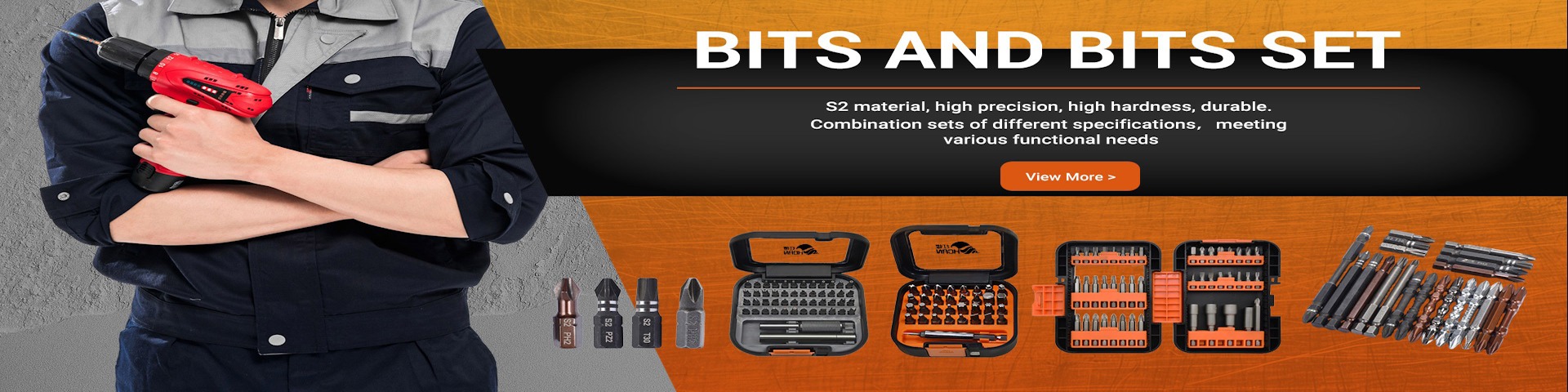
Привод шурупа определяет, какой инструмент используется для вкручивания: отвёртка, шуруповёрт или specialized bits. Common types include slot (прямой шлиц), Phillips, Pozidriv, Torx, and hex. Phillips is widely used but prone to cam-out (slipping), while Torx offers better torque transfer and reduced wear. But did you know that the choice of drive affects not only efficiency but also safety? Using a mismatched bit can lead to stripped heads, injuries, or damaged workpieces. For professionals, Torx or hex drives are often preferred due to their reliability. However, Phillips remains popular for its availability. How to ensure optimal performance? Always use high-quality bits that match the screw head perfectly, and avoid over-torquing. Additionally, consider the environment: in dusty or wet conditions, magnetic bits can help prevent drops. But this is just one part of the equation; proper installation techniques are crucial. Read on to learn about best practices for driving flat head screws.
Техники установки: Как избежать common mistakes?
Установка шурупов с плоской головкой требует precision to achieve a flush finish. Key steps include pre-drilling a pilot hole, countersinking the hole to match the head angle, and applying steady pressure during driving. But do you know that the speed of the drill matters? Too fast, and you risk burning the material or stripping the head; too slow, and it may not seat properly. Use a variable speed drill and start slowly to align the screw. Additionally, lubricants like wax or soap can reduce friction, especially in hardwoods. Common mistakes to avoid: over-tightening, which can crack the material or deform the head, and under-tightening, leading to loose connections. How to check for proper installation? The head should be flush with the surface without any gaps. For critical applications, use a torque wrench to ensure consistent tightness. But what about removal? We'll cover that in the next section, along with maintenance tips.
Удаление и обслуживание: Как справиться с застрявшими шурупами?
Removing flat head screws can be challenging, especially if they are rusted or stripped. Techniques include using a screw extractor, applying penetrating oil, or carefully drilling out the head. But did you know that prevention is better than cure? Regular maintenance, such as cleaning and lubricating threads, can extend the life of screws. For professionals, investing in quality tools like impact drivers can make removal easier. How to handle stripped heads? Try using a rubber band between the bit and head for extra grip, or switch to a left-handed drill bit that may reverse the screw out. However, in severe cases, replacement might be necessary. Always wear safety gear to protect against flying debris. But beyond removal, understanding when to replace screws is key. In the following section, we'll discuss signs of wear and when to opt for new hardware.
Признаки износа и когда заменять шурупы
Шурупы с плоской головкой могут изнашиваться due to corrosion, fatigue, or mechanical damage. Signs include rust spots, stripped heads, or reduced holding power. But do you know that visual inspection alone isn't enough? Use a magnet to check for loss of coating integrity, or perform a pull test to assess strength. For critical structures, replace screws at the first sign of wear to prevent failures. How often should you inspect? In high-stress environments, monthly checks are recommended; for less demanding applications, annually might suffice. Additionally, consider the material: stainless steel screws last longer but may still fatigue under cyclic loading. When in doubt, consult manufacturer guidelines or industry standards. But what about innovations? The future of flat head screws is evolving, and we'll explore that next.
Инновации и будущее плоских головок
The world of screws is not static; innovations include self-drilling variants, smart screws with embedded sensors, and eco-friendly materials. But did you know that some modern flat head screws are designed for easy recycling or made from biodegradable polymers? These advancements aim to reduce environmental impact while maintaining performance. For professionals, staying updated with trends can lead to more efficient and sustainable projects. How to embrace innovation? Attend industry expos, read technical journals, and experiment with new products in controlled settings. However, always test innovations thoroughly before full-scale adoption. As we wrap up, remember that mastery comes from continuous learning and practice.
Заключение: Станьте истинным профи
В этом руководстве мы covered everything from basics to advanced tips on flat head screws. But the real question is: are you now confident in your knowledge? Apply these insights to your next project, and share your experiences with others. Remember, the devil is in the details – attention to material, drive type, and installation technique can make all the difference. Keep learning, and soon you'll be the go-to expert in your field.
 1388xx888xx